How Much Do Strategy Consultants Charge?
Strategy sits at the core of every successful business. When organizations want to scale, enter new markets, improve profitability, or survive disruption, they often turn to strategy consultants for expert guidance.
Yet one critical question always comes up early in the conversation:
How much do strategy consultants actually charge?
This guide provides a clear, global, and realistic breakdown of strategy consulting fees, including pricing models, real-world cost ranges, influencing factors, and practical advice for hiring the right consultant without wasting money.
What Is a Strategy Consultant?
A strategy consultant is a professional advisor who helps organizations define direction, solve complex business problems, and make high-impact decisions. Their work typically involves:
• Corporate and business unit strategy.
• Market entry and expansion planning.
• Growth and revenue strategy.
• Competitive analysis.
• Organizational and operating model design.
• Digital and business transformation.
• Mergers and acquisitions strategy.
Unlike operational consultants, strategy consultants focus on decisions that materially affect long-term business outcomes.
Global Strategy Consulting Fee Ranges
There is no universal price list for strategy consulting. Unlike standardized services, strategy work is highly contextual, shaped by business complexity, decision risk, and expected impact. That is why strategy consulting fees can vary dramatically from one engagement to another.
However, despite this variability, global patterns do exist. By understanding these benchmarks, businesses can set realistic expectations and avoid both overpaying and underinvesting.
At a high level, strategy consulting fees are influenced by who you hire, what problem you are solving, and how critical the decision is to your business future.
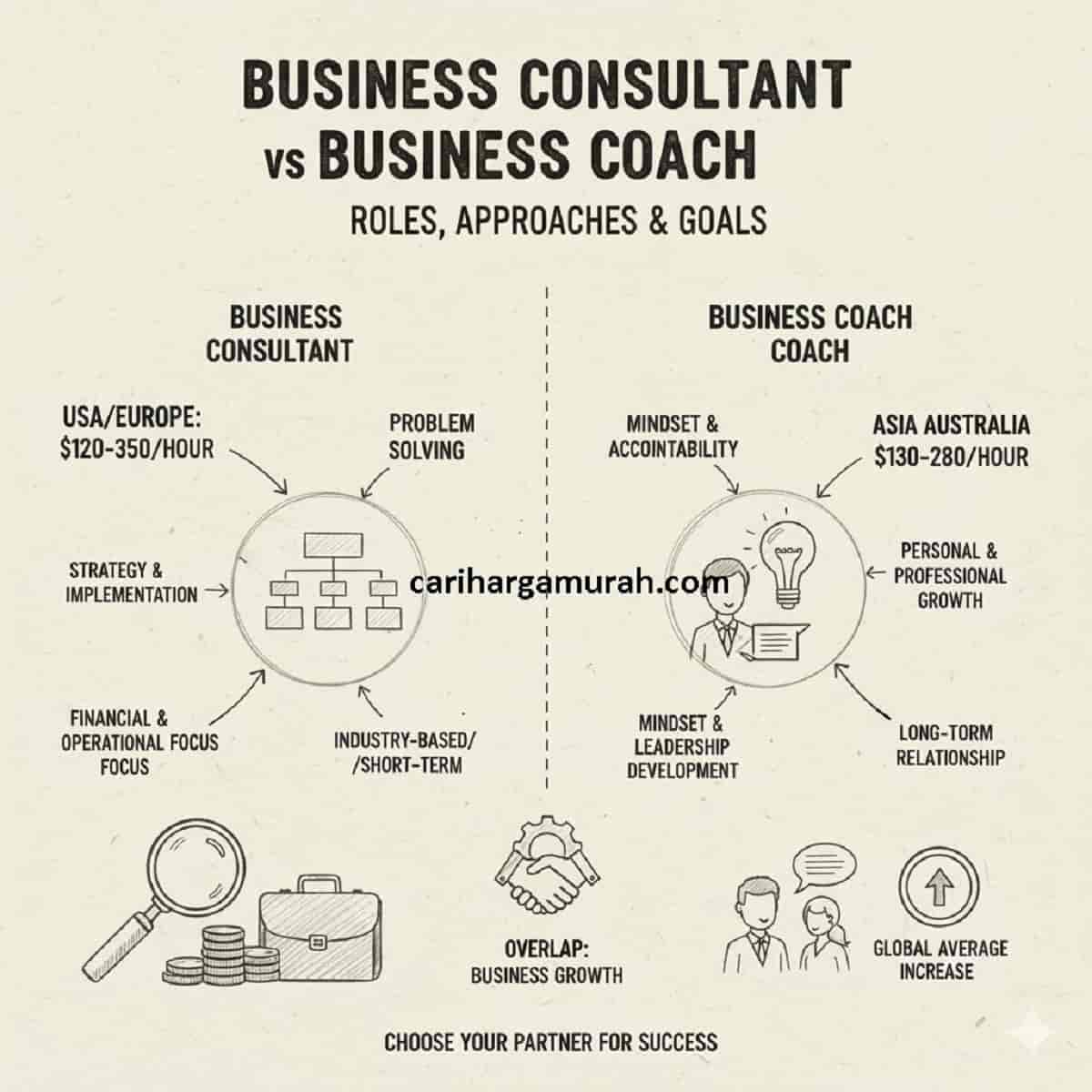

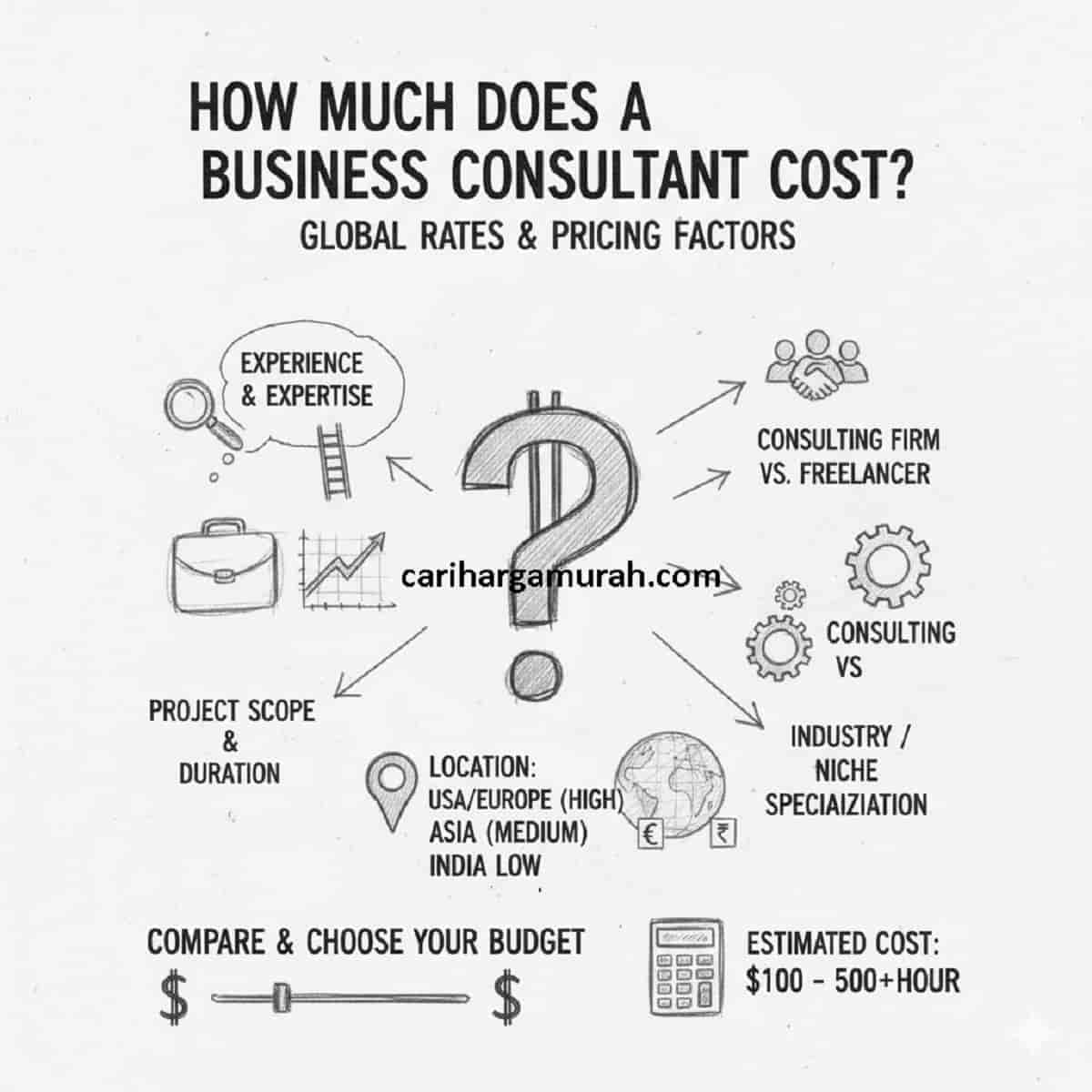
Across global markets, strategy consulting fees generally fall into four main structures: hourly rates, daily rates, fixed project fees, and monthly retainers. Each reflects a different type of engagement and level of commitment.
1. Hourly Strategy Consulting Rates
Hourly pricing is most common for short-term advisory work, executive coaching, or situations where the scope is still evolving.
Globally, hourly rates typically break down as follows:
Junior or early-career strategy consultants often charge between $150 and $250 per hour. These consultants usually support analysis, research, and internal strategy teams rather than leading high-stakes decisions alone.
Mid-level strategy consultants generally charge $250 to $400 per hour. At this level, consultants are expected to own workstreams, synthesize insights, and guide management teams through structured decision-making.
Senior strategy consultants, principals, or partners commonly charge $400 to $600 per hour or more. These individuals bring deep experience, industry pattern recognition, and the credibility to challenge executive teams directly.
In premium cases, particularly former partners from top-tier consulting firms, hourly rates can exceed these ranges. At that level, clients are paying less for time and more for judgment.
Hourly pricing offers flexibility, but it carries risk for clients. Without strict boundaries, hours can accumulate quickly, leading to budget overruns.
2. Daily Rates for Strategy Consultants
Daily rates are one of the most widely used pricing structures in strategy consulting, especially for workshops, onsite engagements, and intensive problem-solving sessions.
Globally, daily rates typically range from:
$1,000 to $3,000 per day for experienced strategy consultants
$3,000 to $5,000+ per day for senior strategists and recognized experts
In Europe, daily rates are often quoted instead of hourly fees. Experienced strategy consultants commonly charge £400 to £900+ per day, depending on specialization and market demand.
Daily pricing strikes a balance between flexibility and predictability. It allows clients to budget more easily than hourly pricing while still adapting scope as insights evolve.
This model is particularly effective for executive workshops, strategy offsites, leadership alignment sessions, and rapid diagnostics.
3. Fixed Project Fees
Most substantial strategy consulting engagements are priced as fixed projects rather than time-based work.
Fixed fees are typically used when deliverables, timelines, and outcomes are clearly defined from the start. Examples include corporate strategy development, market entry analysis, operating model redesign, or growth strategy formulation.
Global benchmarks for fixed project fees include:
$10,000 to $100,000 for small to mid-sized strategy projects
$100,000 to several million dollars for large-scale or enterprise engagements
As projects increase in complexity, involving multiple geographies, business units, or senior stakeholders, fees rise accordingly. Large transformation programs, M&A strategy work, or multi-year roadmaps often require dedicated teams and senior leadership involvement, pushing costs into six- or seven-figure territory.
From a client perspective, fixed fees offer clarity and budget certainty. From a consultant perspective, they reward efficiency and clear thinking rather than time spent.
4. Monthly Retainers
Monthly retainers are used when organizations need ongoing strategic support rather than a one-off engagement.
Under a retainer model, the consultant remains available for advisory work, leadership discussions, decision reviews, and strategic guidance over an extended period.
Globally, monthly retainers typically range from:
$5,000 to $30,000+ per month, depending on seniority and involvement level
This model is popular among founders, CEOs, boards, and executive teams who value continuity, trust, and rapid access to strategic input.
Retainers are most effective when the consultant becomes deeply embedded in the business context, enabling faster and higher-quality decisions over time.
Why These Ranges Exist
Strategy consulting fees vary because the cost of a wrong decision is often far higher than the consulting fee itself.
When strategy consultants influence decisions related to market entry, capital allocation, organizational design, or transformation, they are operating at the highest-risk layer of the business. Pricing reflects that responsibility.
In short, strategy consulting is not priced like labor, it is priced like leverage.
What Determines Strategy Consulting Fees?
Strategy consulting fees are not arbitrary. They are shaped by a combination of risk, expertise, and expected business impact. Two projects that look similar on the surface can be priced very differently once these factors are fully understood.
If you want to understand why one consultant charges $15,000 and another charges $150,000 for what seems like the same problem, this section explains the real drivers behind those numbers.
1. Consultant Experience and Track Record
Experience is the single most powerful pricing factor in strategy consulting.
A consultant who has advised dozens of leadership teams through market expansions, restructurings, or transformations brings more than frameworks, they bring pattern recognition. They know what fails, what scales, and what sounds good but never works in practice.
Senior consultants charge more because they reduce decision risk. Their pricing reflects not just years of experience, but the financial consequences they help clients avoid.
This is why former partners from top consulting firms can command premium fees even as independents. Their value lies in judgment, not execution hours.
2. Business Impact and Decision Risk
Strategy consultants are often involved in decisions that directly affect revenue, profitability, or long-term survival.
If a strategy engagement influences:
• market entry decisions.
• capital investment allocation.
• organizational restructuring.
• mergers or acquisitions.
the stakes are high and so are the fees.
In strategy consulting, pricing scales with impact, not effort. A single correct strategic decision can generate millions in value, making a six-figure consulting fee rational rather than expensive.
3. Project Complexity and Scope
Complexity drives cost.
A one-market growth strategy is far simpler than a multi-region expansion involving regulatory, cultural, and competitive differences. The more variables involved, the deeper the analysis and stakeholder coordination required.
Factors that increase complexity include:
• multiple business units.
• cross-border operations.
• high data uncertainty.
• tight timelines.
• politically sensitive decisions.
Complex projects demand senior attention, structured problem-solving, and extensive validation, all of which increase fees.
4. Industry Specialization
Not all industries are priced equally.
Strategy consultants working in highly regulated or capital-intensive sectors. Such as financial services, healthcare, energy, or telecommunications, often charge more. The learning curve is steeper, the mistakes are costlier, and the regulatory environment raises risk.
Industry expertise shortens analysis time and improves recommendation quality. Clients pay for that efficiency and precision.
5. Consultant or Firm Brand
Brand matters in strategy consulting.
Top-tier firms such as McKinsey, Bain, BCG, and Strategy& charge premium fees because their brand signals credibility to boards, investors, and regulators. In many cases, clients are buying institutional confidence as much as strategic insight.
Boutique firms and independent consultants may charge less, but outcomes vary significantly. Some deliver exceptional value; others rely heavily on recycled frameworks.
High fees do not guarantee quality but brand reputation does reduce perceived risk.
6. Geographic Market Differences
Location still influences pricing, even in a remote-first world.
Consultants based in major business hubs such as New York, London, or San Francisco typically charge more than those in emerging markets. However, global clients increasingly prioritize expertise over geography.
Cross-border engagements also introduce coordination complexity, time-zone management, and regulatory considerations, all of which can affect fees.
7. Pricing Model Chosen
The pricing structure itself affects the total cost.
Hourly pricing emphasizes time spent. Fixed fees emphasize outcomes. Retainers emphasize availability and trust.
Choosing the wrong model can inflate costs or misalign incentives. Sophisticated clients select pricing structures based on decision criticality, not convenience.
8. Client Preparedness and Decision Speed
An often-overlooked factor: the client.
Organizations with unclear objectives, slow decision-making, or internal conflict require more consultant effort to reach alignment. That extra time and friction increase costs.
Well-prepared clients who provide data, access, and fast feedback often pay less even when hiring premium consultants.
9. Timeline and Urgency
Urgency costs money.
When clients demand compressed timelines, consultants must reallocate senior resources, work extended hours, or prioritize one engagement over others. That premium is reflected in pricing.
Fast decisions carry opportunity cost for consultants and clients pay for speed.
Why These Factors Matter
Understanding what drives strategy consulting fees helps clients evaluate proposals intelligently rather than emotionally.
If a fee feels high, the right question is not “Why does this cost so much?” but:
What risk is being reduced, and what value is being protected or created?
In strategy consulting, price is ultimately a reflection of decision leverage.
Common Strategy Consulting Pricing Models
Strategy consulting is not priced in a single way because strategic work itself is not uniform. Different business problems require different levels of commitment, risk sharing, and flexibility. That is why consultants use multiple pricing models, each with its own logic, advantages, and hidden risks.
Understanding these models is essential. Choosing the wrong pricing structure often costs more than choosing the wrong consultant.
1. Hourly Pricing
Hourly pricing is the most straightforward model, clients pay for the number of hours worked.
This model is commonly used for:
• short advisory sessions.
• executive coaching.
• early-stage diagnostic work.
• situations where the scope is unclear.
Hourly rates typically range from $200 to $600+ per hour for serious strategy consultants.
The advantage of hourly pricing is flexibility. Clients can start small and scale involvement gradually.
The downside is obvious: there is no natural ceiling. Without strict scope control, hourly billing rewards time spent rather than clarity achieved. For high-stakes strategy work, this model often creates misaligned incentives.
Strong opinion: hourly pricing is acceptable for advice, but dangerous for core strategy decisions.
2. Daily Rates
Daily pricing is one of the most common models in strategy consulting.
Consultants charge a fixed amount per working day, regardless of the exact number of hours. This model is widely used for:
• strategy workshops.
• leadership offsites.
• intensive analysis sprints.
• on-site or virtual working sessions.
Daily rates generally range from $1,000 to $5,000+ per day, depending on seniority and specialization.
Daily pricing offers better predictability than hourly billing while preserving flexibility. It encourages focused work and discourages unnecessary meetings.
For many organizations, this is the most practical short-term engagement model.
3. Fixed Project Fees
Fixed project pricing is the dominant model for serious strategy work.
Under this structure, the consultant and client agree upfront on:
• scope.
• deliverables.
• timeline.
• total cost.
Common examples include corporate strategy development, market entry analysis, operating model design, or growth strategy projects.
Fixed fees align incentives: consultants are rewarded for clarity and efficiency, not for dragging work out. Clients gain budget certainty.
However, fixed pricing only works when scope is well defined. Poorly scoped projects almost always lead to frustration, change requests, or hidden cost escalation.
Strong opinion: fixed fees are the best model for high-impact strategy projects when done properly.
4. Monthly Retainers
Retainers are used when strategy is not a one-time exercise but an ongoing leadership need.
Under a retainer model, clients pay a monthly fee for continued access to strategic advice, typically ranging from $5,000 to $30,000+ per month.
Retainers are common for:
• founders and CEOs.
• boards and executive teams.
• fast-scaling companies.
• organizations navigating continuous change.
The value of a retainer is not volume, it is continuity. Over time, the consultant develops deep business context, enabling faster and higher-quality decisions.
Retainers work best when trust is high and expectations are clear.
5. Value-Based Pricing
Value-based pricing ties fees to business outcomes rather than time.
Examples include:
• revenue growth milestones.
• cost reduction targets.
• successful market entry.
• profitability improvements.
This model aligns incentives perfectly in theory. In practice, it requires:
• clear success metrics.
• reliable data access.
• strong mutual trust.
Because results are influenced by many variables beyond the consultant’s control, pure value-based pricing is rare in strategy consulting. It is more commonly used as a hybrid model, combining a base fee with performance-linked incentives.
When executed well, value-based pricing can create exceptional ROI for both sides.
6. Hybrid Pricing Models
Many modern strategy engagements use hybrid structures.
Examples include:
• fixed fee + success bonus.
• retainer + project fees.
• daily rate capped at a maximum budget.
Hybrid models balance risk, flexibility, and accountability. They are especially effective when projects involve uncertainty but still demand cost discipline.
Sophisticated clients increasingly prefer hybrid pricing because it reflects the reality of strategic work.
Choosing the Right Pricing Model
There is no universally “best” pricing model. The right choice depends on:
• decision criticality.
• clarity of scope.
• timeline urgency.
• organizational maturity.
A pricing model should support better decisions not distort them.
If pricing becomes the primary negotiation topic, it usually signals deeper misalignment.
In strategy consulting, how you pay matters almost as much as what you pay.
The best engagements are those where pricing encourages honest thinking, fast learning, and decisive action not billable hours.
Real-World Pricing Examples
Startup Strategy Advisory
• Two days per week
• Senior consultant at $1,200/day
• Monthly cost: approximately $9,600
Common among funded startups preparing for scale.
Mid-Market Market Entry Strategy
• 12-week project
• Research, strategy design, and roadmap
• Fixed fee: $75,000
Balanced approach with defined outcomes.
Global Enterprise Transformation
• 9-month engagement
• Multi-team involvement
• Executive workshops
• Total cost: $750,000+
Large engagements require deep resources and senior leadership access.
Is Strategy Consulting Worth the Cost?
The short answer: sometimes yes, sometimes absolutely not.
Strategy consulting is not automatically valuable. It becomes worth the cost only under the right conditions and when those conditions are missing, it can be one of the most expensive mistakes a company makes.
The real question is not whether strategy consulting is expensive. The real question is whether the cost of making the wrong strategic decision is higher than the consulting fee.
When Strategy Consulting Is Worth It
Strategy consulting delivers strong returns when it is applied to decisions that genuinely matter.
It is usually worth the investment when:
• the decision affects long-term growth or survival.
• the financial stakes are significant.
• internal alignment is weak or fragmented.
• leadership lacks experience in similar situations.
• speed and clarity are critical.
In these situations, a skilled strategy consultant reduces uncertainty, challenges assumptions, and forces disciplined thinking. That alone can save months or millions.
A well-executed strategy engagement often pays for itself many times over through:
• avoided failed investments.
• faster market entry.
• clearer capital allocation.
• stronger leadership alignment.
Good strategy consulting does not just create plans. It changes how decisions are made.
When Strategy Consulting Is a Waste of Money
Strategy consulting fails when organizations use it as a substitute for leadership.
It is usually not worth the cost when:
• leadership already knows what to do but avoids acting.
• the goal is to justify a pre-made decision.
• execution capability is weak or ignored.
• the organization resists challenge and change.
In these cases, consultants become expensive storytellers rather than decision partners. The output may look impressive, but nothing changes.
Strong opinion: if leadership is unwilling to make hard decisions, no consultant can save the business.
The Real Return on Investment
The ROI of strategy consulting is rarely linear or immediate.
It shows up as:
• better decisions under pressure.
• fewer strategic reversals.
• clearer trade-offs.
• improved organizational focus.
These benefits are difficult to quantify, but they compound over time.
A single avoided strategic mistake can justify years of consulting spend.
Strategy Consulting vs. Internal Strategy Teams
Many organizations ask whether they should build internal strategy teams instead of hiring consultants.
The answer is not either-or.
Internal teams provide continuity and institutional knowledge. Consultants provide external perspective, pattern recognition, and challenge.
The most effective organizations use both, internal teams for execution and monitoring, consultants for inflection-point decisions.
Why Strategy Consulting Feels Expensive
Strategy consulting feels expensive because it is concentrated.
Unlike software or operations investments, strategy fees are paid upfront. The benefits arrive later, often invisibly.
But strategy decisions shape every downstream action. Compared to the capital they influence, consulting fees are usually small.
A Hard Truth About Value
Not all strategy consultants create value.
Brand name does not guarantee insight. Low price does not guarantee efficiency.
The value comes from:
• intellectual honesty.
• ability to say uncomfortable truths.
• experience navigating uncertainty.
• willingness to challenge leadership.
When those qualities are present, strategy consulting is one of the highest-leverage investments a business can make.
When they are absent, it is just expensive advice.
Strategy consulting is worth the cost only when it changes decisions.
If it leads to clearer priorities, stronger alignment, and better use of capital, the fee is justified.
If it produces slides without action, it is not.
How to Negotiate Strategy Consulting Fees Smartly
Negotiating strategy consulting fees is not about pushing prices down. It is about aligning cost with value, risk, and outcomes.
The most successful clients do not ask, “Can you make this cheaper?”
They ask, “How do we make this worth it?”
1. Start With Business Outcomes, Not Scope
The biggest negotiation mistake clients make is focusing on deliverables instead of decisions.
Before discussing fees, be crystal clear about:
• what decision must be made.
• why it matters.
• what success looks like.
When outcomes are clear, consultants can propose leaner, more focused engagements. Vague goals always lead to bloated scope and higher costs.
2. Compare Proposals Intelligently
Never compare consulting proposals on price alone.
Evaluate:
• depth of thinking.
• relevance of experience.
• clarity of assumptions.
• seniority of the team actually involved.
A higher-priced proposal may be cheaper if it reaches clarity faster or avoids costly mistakes.
Strong opinion: if two proposals cost the same but one is clearer, choose clarity every time.
3. Ask for Senior Time, Not More Slides
Clients often overpay for junior-heavy teams producing excessive documentation.
Negotiate for:
• direct access to senior consultants.
• fewer but more decisive work sessions.
• concise outputs tied to decisions.
You are not buying PowerPoint. You are buying judgment.
4. Choose the Right Pricing Model
Smart negotiation focuses on structure, not just price.
Examples:
• fixed fees instead of open-ended hourly billing.
• capped daily rates.
• base fee plus success incentives.
• shorter engagements with clear decision checkpoints.
A well-structured engagement often costs less even at higher day rates.
5. Control Scope Relentlessly
Scope creep is the silent budget killer.
Define explicitly:
• what is included.
• what is excluded.
• what triggers additional fees.
Professional consultants respect clear boundaries. If a consultant resists scope clarity, that is a red flag.
6. Use Phased Engagements
Instead of committing to a large project upfront, negotiate phased work.
For example:
• Phase 1: diagnosis and options.
• Phase 2: strategy design.
• Phase 3: implementation support.
This approach reduces risk and creates natural decision points to continue or stop.
7. Be Honest About Budget Constraints
Good consultants appreciate transparency.
If budget is limited, say so early. Skilled consultants can often redesign the engagement to focus on the highest-leverage questions.
Silence about budget leads to misalignment and wasted proposal effort.
8. Avoid Procurement-Driven Negotiations
Purely procurement-led negotiations often damage value.
Strategy consulting is not a commodity. Aggressive price squeezing often results in:
• reduced senior involvement.
• over-scoping to justify fees.
• misaligned incentives.
Strategic buyers negotiate collaboratively, not adversarially.
9. Watch for False Savings
The cheapest consultant often becomes the most expensive.
Hidden costs include:
• rework.
• delayed decisions.
• poor execution guidance.
• internal confusion.
Saving 20% on fees means nothing if the strategy fails.
Final Rule of Smart Negotiation
Negotiate strategy consulting fees like an investor, not a shopper.
Ask:
• What risk is being reduced?
• What value is being created or protected?
• What decisions will improve because of this work?
When those answers are clear, the right fee usually becomes obvious.
Final Thoughts
There is no universal answer to how much strategy consultants charge, but there is a clear reality:
• Expect $200–$600+ per hour for serious strategy work
• Expect $1,000–$5,000+ per day for experienced consultants
• Expect five- to seven-figure fees for large strategic transformations
Strategy consulting is not a cost — it is a capital allocation decision. When chosen wisely, it becomes one of the highest-ROI investments a company can make.
Frequently Asked Questions About Strategy Consulting Fees
1. Why do two strategy consultants quote drastically different prices for the same project?
Because they are not solving the same problem even if it looks identical on paper.
One consultant may focus on surface-level analysis and generic frameworks. Another may plan deep stakeholder interviews, custom modeling, and direct executive facilitation. The difference is not effort, but depth of thinking and risk ownership.
Price differences usually reflect how much responsibility the consultant is willing to carry for the decision outcome.
2. Do expensive strategy consultants always deliver better results?
No. High fees do not guarantee quality.
However, extremely low fees almost always signal limited experience, shallow analysis, or heavy reliance on templates. The safest indicator of quality is not price, but clarity of thinking demonstrated early in the engagement.
A strong consultant can explain complex problems simply before being hired.
3. Can small businesses or startups afford strategy consulting?
Yes, but only if the engagement is sharply focused.
Startups often make the mistake of buying “full strategy projects” when they only need:
• decision framing.
• market prioritization.
• pricing logic.
• growth trade-offs.
Short, high-impact advisory engagements often deliver far more value than large, generic strategy decks.
4. Is it cheaper to hire independent consultants than consulting firms?
Usually yes, but cheaper does not mean lower risk automatically.
Independent consultants often have lower overhead and can be more flexible. However, the quality variance is much higher. Some independents outperform firms. Others underperform drastically.
Clients must assess individual capability, not brand or price alone.
5. How long does a typical strategy consulting engagement last?
Most strategy engagements fall into one of three timeframes:
• Short-term advisory: a few days to 2 weeks.
• Core strategy projects: 6 to 12 weeks.
• Large transformations: 6 months to over a year.
Duration depends on decision complexity, not company size.
6. Should strategy consultants be involved in implementation?
Only selectively.
Strategy consultants add the most value at decision points. Prolonged implementation involvement can dilute that value unless:
• execution risk is extremely high.
• leadership alignment is fragile.
• the organization lacks internal capability.
The best model is often strategy ownership by leadership, execution by internal teams.
7. Can strategy consulting fees be tax-deductible?
In many jurisdictions, yes. Strategy consulting fees are often classified as professional services or business expenses.
However, tax treatment varies by country and purpose of engagement. Clients should always confirm with local tax advisors rather than assume deductibility.
8. What signals that a strategy consultant is overpricing their services?
Red flags include:
• vague problem definitions.
• excessive deliverables without decision linkage.
• reluctance to discuss outcomes.
• heavy junior staffing without transparency.
Premium pricing must come with premium clarity.
9. Should companies hire strategy consultants during a crisis?
Yes, but only the right ones.
During crises, speed and judgment matter more than analysis depth. Consultants who thrive in stable environments may struggle under pressure.
Crisis strategy consulting should be shorter, senior-led, and decisively focused.
10. What is the biggest mistake companies make when hiring strategy consultants?
Hiring consultants to confirm what leadership already believes.
When consulting becomes validation instead of challenge, the value drops to zero, regardless of how much is paid.
The best strategy consultants are hired to disagree intelligently.