
Updated July 29, 2026
Apple has a new way to get your hands on its gear, and it’s not a purchase. It’s a lease. The program is called Apple Upgrade, and it’s built in partnership with Klarna, the buy now, pay later company. It rolled out on July 28, 2026, and it’s already reshaping how Apple wants people to think about paying for a phone.
Here’s exactly how it works, what it costs, and what to watch out for before you sign up.
What Is Apple Upgrade?
It’s a new leasing program from Apple and Klarna that lets you pay monthly instead of buying a device outright.
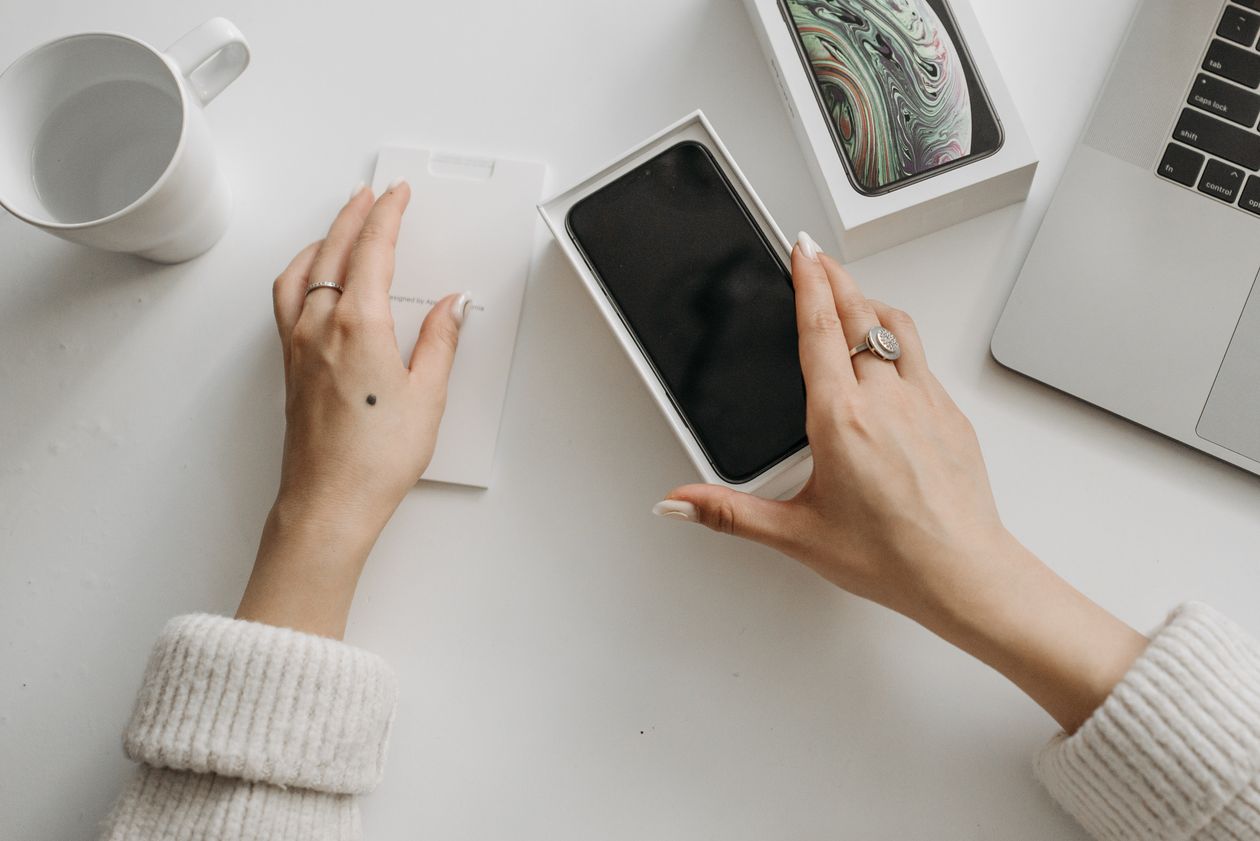
Apple Upgrade covers iPhone, Apple Watch, Mac, and iPad. It’s available online, in the Apple Store app, and at physical Apple Store locations across the US. Instead of paying the full price up front or financing a purchase, you sign a lease. You use the device for a set term, then choose what happens next.
It’s a genuinely different structure from Apple’s older installment plans. Those were 0 percent interest loans that ended in you owning the phone. A lease doesn’t work that way. You don’t own the device unless you pay extra at the end.
How Much Does It Cost Each Month?
Leases start at $17.99 for iPhone, $11.99 for Apple Watch and iPad, and $24.99 for Mac.
iPhone and Apple Watch come with 12- or 24-month lease terms. Mac and iPad stretch to 24 or 36 months. No security deposit is required, and applying only triggers a soft credit check, so it won’t ding your credit score just to see your options.
| Device Example | Buy Price | 24-Month Lease | 12-Month Lease |
|---|---|---|---|
| iPhone 17 Pro (256GB) | $1,099 | $31.99/mo | $45.99/mo |
| Apple Watch Series 11 (42mm GPS) | $399 | $11.99/mo | $21.99/mo |
| iPad Pro 11-inch (256GB) | $1,199 | $31.99/mo | N/A (36-mo: $24.99) |
| MacBook Pro 14-inch (16GB) | $1,999 | $53.99/mo | N/A (36-mo: $38.99) |
Trading in your current device through Apple Trade In can knock the monthly payment down further. Paying with Apple Card also earns 3 percent Daily Cash back on every lease payment.
How Is a Lease Different From Buying?
With a lease you never own the device unless you pay extra at the end, and you must return it if you don’t.
When the lease term ends, you get three choices. Sign a new lease and move to a newer device, pay a purchase fee to keep the one you have, or hand it back and walk away with nothing owed. If you leased an iPhone, you’re also required to keep it on a plan with AT&T, T-Mobile, or Verizon, since prepaid and MVNO plans like Mint Mobile or Visible aren’t supported. The phone itself stays unlocked, so you can still switch carriers whenever you want.
This isn’t legal or financial advice, just how the program is structured. Whether a lease makes sense for you depends on how often you upgrade and how you feel about never fully owning the device.
Why People Might Lease
- Lower monthly cost than the old iPhone Upgrade Program
- No security deposit needed
- Only a soft credit check to see your options
- Easy path to the newest model every year or two
Why People Might Skip It
- You never own the device unless you pay more later
- Total cost over the full term can exceed the retail price
- Missing three months of payments can end the lease early
- Damage or loss fees apply if the device isn’t returned in good shape
Who Can Sign Up for Apple Upgrade?
US residents 18 or older with a valid SSN or ITIN, an Apple Account, and a Klarna Account.
You’ll also need an accepted credit or debit card and the ability to receive security codes by text. The program isn’t available on refurbished items, and it’s excluded from special stores like the Apple Employee Purchase Plan, education, government, and veterans and military purchase programs. A handful of products are left out entirely too, including iPhone 16, iPhone 16 Plus, Apple Watch SE, Mac mini, and Studio Display.
What Happens to the Old iPhone Upgrade Program?
It’s discontinued. Apple Upgrade replaces both the iPhone Upgrade Program and iPhone Payments in the US.
If you’re already enrolled in the old iPhone Upgrade Program, Apple says you’ll have options once you’re eligible to move: lease a new device through Apple Upgrade, finance through Apple Card Monthly Installments, buy outright, or use carrier financing instead.
Why Is Apple Doing This Now?
It’s a bet that lower monthly prices will get people upgrading more often, closer to every year instead of every four.
The average iPhone replacement cycle has stretched to nearly four years, according to Bernstein estimates. A leasing model that’s cheaper per month than most carrier installment plans gives Apple a direct way to shorten that gap, while also keeping more of the customer relationship in-house instead of leaving it to carriers. It also lands right as Apple has been raising prices on iPad, Mac, and some streaming services due to rising memory chip costs, so a lower-friction monthly option helps soften that sticker shock at checkout.
It’s also worth thinking about timing. If the rumors around a redesigned 20th anniversary iPhone in 2027 turn out to be accurate, a cheaper, faster lease-and-upgrade cycle could make it a lot easier to jump on that device the moment it lands, instead of waiting out a multi-year contract first.
Curious what’s coming after this year’s models? Read our full breakdown of what the next major iPhone redesign might look like.
Browse Technology DealsWatch Out for Fake “Apple Upgrade” Approval Messages
- Apple Upgrade only runs through Apple’s own site, app, or retail stores, never a text link
- Klarna will never ask for your account password over text or email
- Be suspicious of any “instant lease approval” link outside apple.com or the Klarna app
- Scammers often piggyback on real product launches to push fake sign-up pages
Frequently Asked Questions
Do I own the iPhone at the end of an Apple Upgrade lease?
No, not automatically. You’ll need to pay a purchase fee to keep it, sign a new lease for an upgraded device, or return it and owe nothing further.
Does leasing through Apple Upgrade affect my credit score?
Applying only triggers a soft credit inquiry, which doesn’t impact your credit score. No security deposit is required either.
Can I use a prepaid plan with a leased iPhone?
No. Leasing an iPhone requires an eligible postpaid carrier plan through AT&T, T-Mobile, or Verizon. Prepaid plans and MVNOs like Mint Mobile aren’t supported.
What happens if I stop paying my lease?
Klarna won’t charge late fees, but a lease can be terminated after three months of missed payments, and early termination can come with substantial fees.
Bottom Line
Apple Upgrade is a real shift in how Apple wants people to pay for their gear. Cheaper monthly payments make new hardware feel more accessible, but the trade-off is real too: you’re leasing, not buying, and the total cost can run higher than paying outright over the same stretch of time. If you’re someone who upgrades often anyway, this might fit naturally into how you already shop. If you like keeping devices for years, buying outright is still probably the cheaper path. Either way, run the full math on your specific device before signing anything.
Weighing a lease against buying outright? Compare today’s iPhone prices before you decide.
See More Trending Tech NewsSources: Apple Newsroom, Fox Business, CNBC, and additional reporting from TechCrunch, MacRumors, Forbes, and Yahoo Finance, as of July 28-29, 2026.